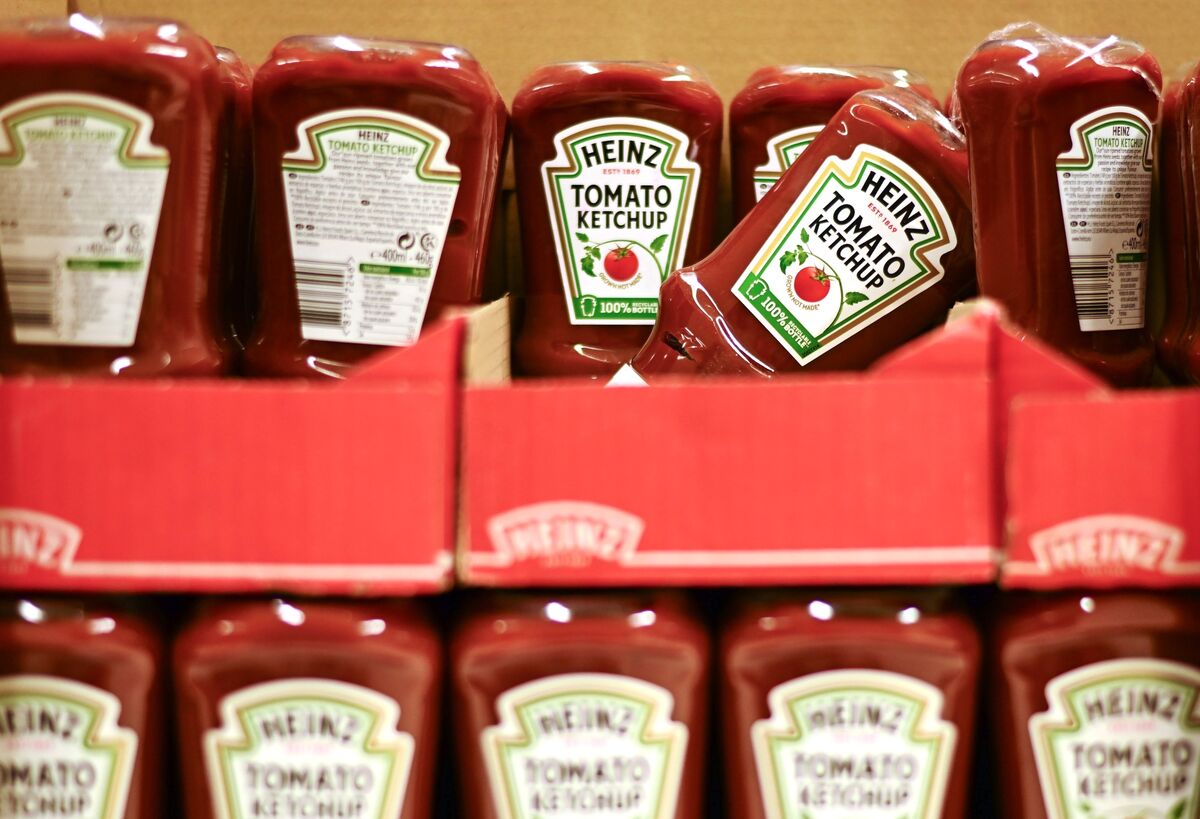
Warren Buffett's Investment Hit on Kraft Heinz Impairment
#warren_buffett #kraft_heinz #berkshire_hathaway #investment #impairment
A look at Warren Buffett's investment hit on Kraft Heinz impairment and its impact on Berkshire Hathaway Inc.
Kraft Foods, founded by James L. Kraft in 1903, began as a wholesale cheese delivery business in Chicago. Kraft revolutionized the dairy industry by inventing pasteurized processed cheese in 1915, patented in 1916, which offered a longer shelf life without refrigeration. This innovation led to significant early success, including selling millions of pounds to the U.S. Army during World War I. The company quickly expanded, incorporating as J.L. Kraft & Bros. Company in 1909, opening its first cheese factory in 1914, and adopting innovative marketing methods such as color magazine ads and circulars to grocers[1][2][3]. Throughout the 20th century, Kraft grew into a food conglomerate with a diverse product portfolio, including iconic brands like Kraft Cheeses, Maxwell House coffee, and Post cereals. The company underwent several transformations: in 1924, it was renamed Kraft Cheese Company and went public; by the mid-20th century, Kraft broadened its product range and global reach. In 1989, Kraft was acquired by Philip Morris, which also owned General Foods, consolidating major food brands under one roof. Kraft regained independence in the 2000s, joining the Dow Jones Industrial Average in 2008, signaling renewed growth and market significance[1][2][3][4]. A defining moment came in 2015 when Kraft Foods merged with Heinz, forming Kraft Heinz, a global powerhouse in the food and beverage industry. This merger combined Kraft’s extensive distribution network with Heinz’s strong international brand presence, creating one of the world’s largest food companies valued in tens of billions. Today, Kraft Heinz continues to innovate and adapt to consumer trends, focusing on convenience, health-conscious products, and sustainability while maintaining its legacy of trusted, affordable food staples[5]. Kraft’s history is notable for technological innovation, strategic acquisitions, and marketing breakthroughs, making it a case study i
#warren_buffett #kraft_heinz #berkshire_hathaway #investment #impairment
A look at Warren Buffett's investment hit on Kraft Heinz impairment and its impact on Berkshire Hathaway Inc.